
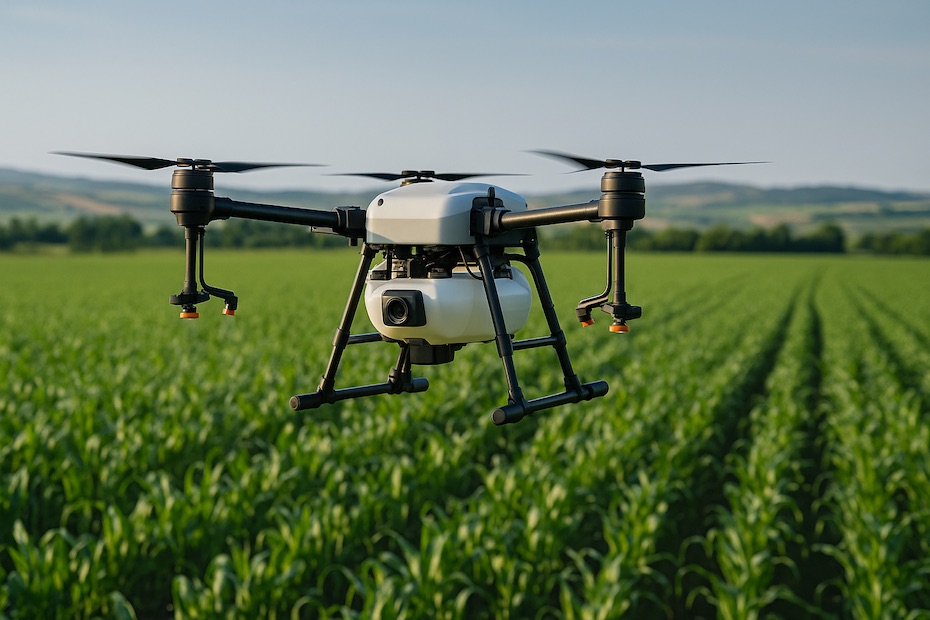
If you’re serious about getting more yield per acre without spending more time or resources, artificial intelligence and drones are no longer optional—they’re essential. These tools give you precision, speed, and insight that traditional methods simply can’t match. Whether you’re trying to monitor plant health, reduce pesticide use, or forecast harvests more accurately, AI-powered drones put you in control of every variable in your field. This article shows how real farms are already using smart tech to make decisions faster, waste less, and boost productivity—and how you can do the same.
Turn Data into Daily Decisions
With drone-mounted multispectral cameras, you can scan entire fields in minutes and pick up early signs of plant stress, water imbalance, or pest pressure long before you’d see it with the naked eye. That kind of intelligence makes a difference. When you fly a drone over a cornfield or a vineyard and immediately see which rows are underperforming, you can act fast. No more treating the whole field when just 15% needs attention.
The real advantage isn’t just the speed—it’s how the data connects to your daily operations. AI software turns those images into readable heatmaps, zoning problems down to a square meter. From there, you can adjust irrigation schedules, apply targeted treatment, or tweak your harvest plan—all before you’d have finished a manual field inspection.
Find Issues Early and Act Before They Spread
If you’ve ever seen blight or pest damage get out of control, you know how fast it can wipe out yield. AI-driven image recognition can now identify crop diseases and pest infestations before symptoms appear visually. That gives you time to treat problem areas at the source. In real-world trials, farmers using AI-enabled drones reported detecting early-stage diseases up to 30% faster than manual scouting.
Once your system recognizes patterns—like a certain stress signature in soybean leaves—it can flag them automatically in future flights. That’s the difference between catching something in time and missing the window. You gain precision, and your response becomes surgical rather than broad and expensive.
Spray Precisely and Cut Input Costs
You’ve probably wasted money spraying entire fields with fertilizer or pesticide when only a portion needed it. Drones equipped with smart nozzles and sensors can handle this far better. With AI telling them where to go and how much to apply, these drones target treatment zones accurately—reducing waste by up to 30% and improving consistency.
You get cleaner application, fewer chemical residues, and better soil balance. Whether you’re running a large orchard or a grain field, drone spraying systems can cover up to 30 acres per hour and adjust in real-time to wind or terrain. That means less drift, less overspray, and tighter control of your margins.
Forecast Yields and Optimize Harvest Schedules
Drones aren’t just about reaction—they also help you plan. AI-driven forecasting tools analyze plant height, canopy structure, and color data from drone imagery to project yield before harvest. Instead of guessing how much product you’ll have, you get a data-backed estimate that lets you plan storage, distribution, and sales with confidence.
Some models can even suggest optimal harvest windows based on ripeness levels and weather patterns. You don’t just know when to harvest—you know where to start, how to deploy labor, and how to minimize post-harvest losses. This kind of planning gives you more control over your operations, especially in high-value crops like berries, grapes, or vegetables.
Save Labor Without Sacrificing Quality
With fewer hands available for fieldwork, you need to do more with less. Drone operations reduce labor costs by handling tasks like scouting, mapping, and spraying in a fraction of the time. Instead of sending two or three workers into the field with clipboards or sprayers, one trained technician can fly a drone and process data in hours—not days.
Automation doesn’t mean cutting corners. When you use drones to handle routine tasks, you free up labor for jobs that require human judgment, like pruning, packing, or customer handling. This makes your team more efficient without overextending your resources.
Use Water Where It Counts
Water is one of your most valuable inputs—and one of the easiest to misuse. Drones help you monitor soil moisture, plant hydration, and drainage issues with thermal and infrared sensors. Combined with AI, you get irrigation maps that tell you exactly where water is needed and how much to apply.
That kind of accuracy prevents overwatering, reduces runoff, and saves you money. On farms where water is limited or expensive, the return on investment here is immediate. You conserve water and boost plant health at the same time—a win from both cost and sustainability angles.
Train Smart and Scale Sustainably
Even with the best tools, smart agriculture only works if you and your team know how to use them. Training is critical—on drone operation, data interpretation, and software integration. Many drone providers now offer operator certification, and AI platforms often come with user support or onboarding services. Don’t skip this step. You’ll see better results when your team understands how to link drone data to real field decisions.
If you’re not ready to buy a drone fleet, you can start with service providers. Many agtech companies offer drone-as-a-service models where a certified team handles flights, mapping, and data delivery. You get results without the upfront hardware cost—and once you see the ROI, you can decide when to bring it in-house.
Benefits of Smart Agriculture with AI and Drones
- Monitor crop health with drone-based imaging
- Detect disease and pests early through AI
- Spray precisely and cut chemical use
- Forecast yield before harvest
- Conserve water with targeted irrigation
In Conclusion
Smart agriculture isn’t some futuristic concept—it’s already working in fields just like yours. With AI and drones, you can see exactly what your crops need, when they need it, and where to focus your time and money. From disease detection to precision spraying, from irrigation to labor management, this technology lets you farm with precision instead of guessing. If you’re serious about producing more with less, it’s time to put data and automation to work in your operation.
If you found this article valuable and want to dive deeper into the intersection of innovation, strategy, and real-world applications—don’t miss the on Spotify. Tune in for expert discussions and fresh perspectives on the future of technology, business, and beyond.

Walter Morales is President of Commonwealth Advisors, Inc., with over 30 years of experience in financial planning and investment strategy. An educator, philanthropist, and community leader, he is dedicated to advancing financial literacy and expanding educational opportunities.