
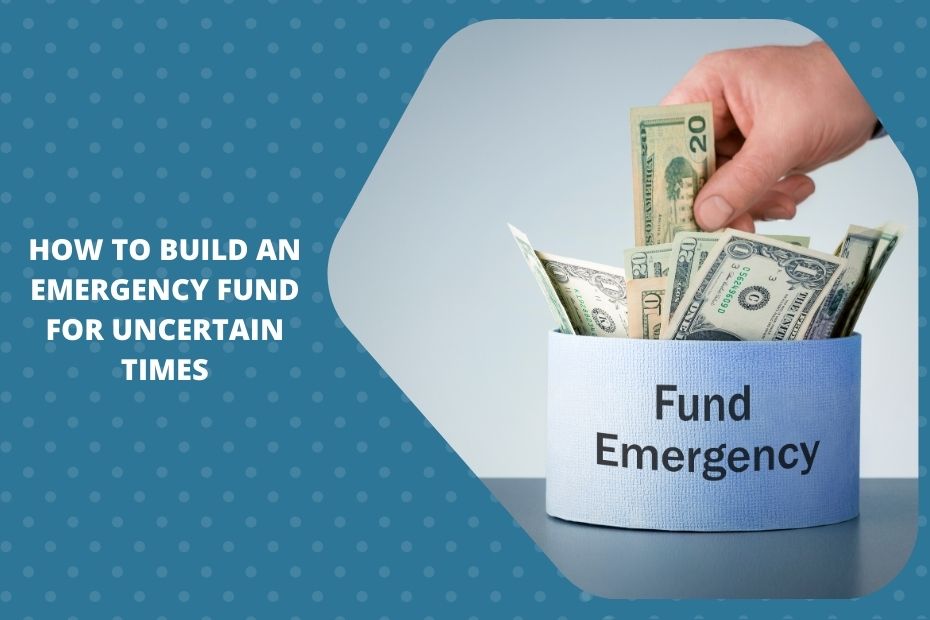
Creating an emergency fund is a crucial step toward financial security, especially in times of uncertainty. With the right approach, you can prepare yourself for unexpected expenses, income disruptions, or economic shifts without compromising your financial well-being. In my experience, building an emergency fund requires a structured approach and a strong commitment, but the peace of mind it brings is well worth the effort. Let’s explore practical strategies to establish and grow a robust emergency fund.
Define the Purpose of an Emergency Fund
An emergency fund serves as a financial safety net, providing resources to cover unforeseen expenses or temporary income loss. Unlike regular savings, this fund is dedicated exclusively to urgent situations that could otherwise strain your finances. Typical uses might include car repairs, medical expenses, or job loss. Having this reserve ensures that you can maintain essential expenses without incurring debt or depleting your investments. The goal is to protect your financial stability, even in the face of life’s uncertainties.
Determine the Optimal Fund Size Based on Your Needs
The size of your emergency fund depends on your unique financial situation. As a general guideline, aim to save enough to cover three to six months’ worth of essential living expenses. If you have a stable income and limited financial obligations, a three-month reserve might be sufficient. However, if your income is variable or you have dependents, a six-month reserve, or even more, could be advisable. For instance, self-employed individuals or those working in industries prone to economic fluctuations might benefit from a larger cushion to navigate potential income disruptions.
Calculating the ideal fund size requires assessing your personal risk tolerance and understanding your financial needs. While it may seem like a daunting target, remember that building an emergency fund is a gradual process, and every step you take brings you closer to financial peace of mind.
Calculate Your Monthly Essential Expenses
To accurately determine your target fund size, start by calculating your monthly essential expenses. Essential expenses are the non-negotiable costs you would need to cover in a crisis. These include rent or mortgage payments, utilities, groceries, transportation, and healthcare. Be sure to exclude discretionary spending, such as dining out, entertainment, or vacations. Summing up these core expenses gives you a clear picture of what you would need to cover each month in a difficult financial period.
For example, if your essential monthly expenses total $3,000, a three-month emergency fund would require $9,000, while a six-month reserve would require $18,000. Knowing these numbers can make the savings goal more concrete and give you a clear target to work toward.
Set a Realistic Savings Goal and Timeline
Once you’ve determined the amount you need to save, break it down into smaller, achievable goals. Saving several thousand dollars can seem overwhelming, but by dividing it into monthly or weekly contributions, it becomes more manageable. For instance, if your target is $12,000, setting aside $500 each month would allow you to reach your goal in two years. Smaller contributions, such as $250 per month, can still build a substantial fund over time.
Establishing a realistic timeline prevents frustration and helps maintain your momentum. Even if your savings journey takes longer than planned, the key is consistency. By consistently contributing to your emergency fund, you’ll make steady progress and build a habit of prioritizing savings.
Develop a Budget that Prioritizes Savings
Building an emergency fund requires a budget that makes savings a priority. Start by reviewing your current budget and identifying areas where you can cut unnecessary expenses. Small changes, such as reducing dining out or limiting subscription services, can add up over time. Use the “pay yourself first” approach, where you allocate a portion of your income to savings immediately after receiving your paycheck. This strategy helps ensure that saving remains a priority, even when other expenses arise.
Budgeting apps or spreadsheets can be helpful for tracking expenses and monitoring your progress. By regularly reviewing your budget, you can make adjustments as needed and keep your emergency fund growth on track.
Automate Your Savings for Consistency
Automating your savings can be a game-changer when building an emergency fund. Setting up automatic transfers from your checking account to a dedicated savings account helps you stay consistent without having to remember to save manually each month. Schedule the transfer shortly after payday, so the money is set aside before you have a chance to spend it. This automated approach reduces the temptation to skip a contribution and ensures steady progress toward your goal.
Choosing a high-yield savings account for your emergency fund can also make a difference. These accounts typically offer higher interest rates than traditional savings accounts, helping your fund grow faster over time. While the interest may not be substantial initially, every bit helps in the long run, especially when compounded monthly.
Choose the Right Account for Your Emergency Fund
Selecting the appropriate account type is essential for your emergency fund. Ideally, you want an account that is both accessible and secure. High-yield savings accounts or money market accounts are popular choices because they offer easy access to funds and competitive interest rates. Avoid placing your emergency fund in investment accounts like stocks or mutual funds, as these can be volatile and may not provide the liquidity you need during a financial emergency.
It’s also wise to keep your emergency fund separate from your main checking account. Having the funds in a separate account reduces the temptation to dip into them for non-essential expenses. Some individuals find that using a different bank altogether helps them keep their emergency savings untouched.
Explore Additional Income Streams to Accelerate Savings
If your current income makes it difficult to meet your savings goals, consider exploring additional income sources to speed up your emergency fund growth. Taking on a part-time job, freelancing, or selling items you no longer need can provide extra funds to contribute to your savings. Even small amounts from side income can make a significant impact when consistently directed toward your emergency fund.
Another option to consider is setting aside a portion of any windfalls, such as tax refunds, bonuses, or gifts. Allocating a percentage of these occasional income boosts can accelerate your progress and reduce the time needed to reach your target.
Regularly Review and Adjust Your Savings Plan
As your financial situation evolves, it’s important to review and adjust your emergency fund goals and savings plan. Life changes, such as a new job, marriage, or having children, can affect your financial needs. Periodically assessing your emergency fund ensures that it aligns with your current expenses and life circumstances.
For instance, if you receive a raise, consider increasing your monthly contributions. Conversely, if you experience an income reduction, adjust your contributions to remain manageable while still making progress. Regular reviews allow you to stay proactive and maintain an emergency fund that is well-suited to your situation.
Key Steps to Building an Emergency Fund for Uncertain Times
- Define Purpose: Establish a fund dedicated to urgent, unforeseen expenses.
- Calculate Needs: Aim for three to six months of essential expenses.
- Set Goals: Break down your target into achievable monthly amounts.
- Prioritize Savings: Create a budget that focuses on saving first.
- Automate Contributions: Schedule regular transfers to stay consistent.
- Choose the Right Account: Use a high-yield savings or money market account.
- Review Regularly: Adjust your plan as financial needs change.
In Conclusion
Building an emergency fund takes time, but the security it provides is invaluable. By defining your needs, setting realistic goals, and prioritizing consistent savings, you can create a financial cushion that will serve you well in times of uncertainty. Automating contributions, choosing the right savings vehicle, and exploring additional income sources can all help you achieve your target faster. Ultimately, an emergency fund is about safeguarding your future and maintaining peace of mind, knowing you’re prepared for whatever challenges may come.

Walter Morales is President of Commonwealth Advisors, Inc., with over 30 years of experience in financial planning and investment strategy. An educator, philanthropist, and community leader, he is dedicated to advancing financial literacy and expanding educational opportunities.