
Technology is advancing faster than ever, and artificial intelligence is driving this shift. The Fourth Industrial Revolution isn’t just about automation—it’s about systems that learn, adapt, and make decisions with minimal human intervention. I’ve worked with businesses that have completely transformed their operations using AI, and I’ve seen firsthand how those that hesitate to adopt it fall behind. Companies that embrace AI are gaining a significant edge, streamlining processes, and unlocking new levels of efficiency. Whether in manufacturing, healthcare, finance, or transportation, AI is redefining industries and reshaping the future of work. The businesses that understand and leverage AI today will be the ones leading tomorrow.
Smarter Manufacturing with AI-Driven Automation
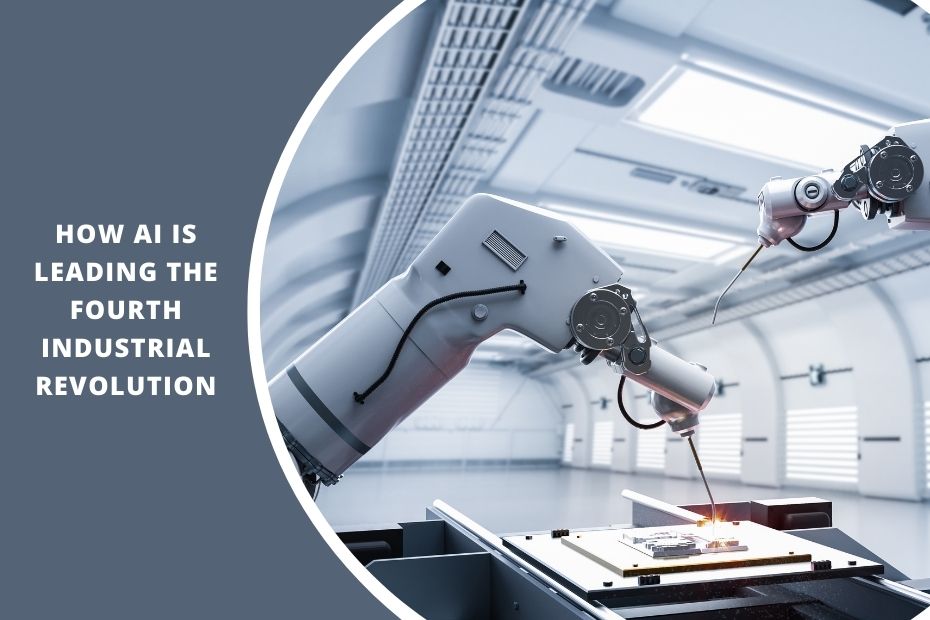
Factories today are nothing like the ones I saw just a decade ago. AI-powered robots are no longer just performing repetitive tasks; they’re learning and adapting in real-time. Smart manufacturing lines use AI to predict machine failures before they happen, reducing downtime and avoiding costly repairs. Companies that integrate predictive maintenance see significant cost savings and improved efficiency.
Beyond maintenance, AI-driven robots are making production lines more flexible. In the past, reconfiguring a factory for a new product required extensive human intervention. Now, AI-powered systems adjust workflows automatically, adapting to new production demands without major disruptions. Businesses that embrace these technologies are reducing waste, increasing output, and improving overall product quality.
AI-Powered Healthcare: Faster Diagnoses and Personalized Treatment
AI is changing healthcare in ways that would have seemed impossible not long ago. I’ve seen AI-driven diagnostic tools catch early signs of diseases that even experienced doctors might miss. These systems analyze patient data in real time, identifying patterns that allow for early intervention and more accurate treatments.
Hospitals are using AI-powered scheduling systems to optimize patient care, reducing wait times and improving efficiency. AI chatbots are handling routine patient inquiries, freeing up healthcare professionals to focus on more complex cases. Wearable health devices are another game-changer—AI monitors heart rates, blood sugar levels, and even stress indicators, alerting patients and doctors before small issues turn into major health crises.
Transforming Transportation with AI and Automation
The transportation sector is undergoing a major shift, and AI is at the center of it. Self-driving cars are no longer science fiction; companies are already using AI-driven driver assistance systems that make roads safer. AI can analyze thousands of real-time data points—traffic patterns, pedestrian movements, road conditions—and make split-second decisions faster than a human ever could.
AI is also revolutionizing logistics. I’ve worked with businesses that have used AI to optimize their supply chains, reducing fuel costs and delivery times. Predictive analytics help companies avoid delays by identifying potential bottlenecks before they happen. AI-driven warehouse robots are sorting, packing, and shipping products with remarkable efficiency, allowing businesses to keep up with increasing consumer demands.
AI in Customer Service: Smarter Interactions and Instant Responses
Customer service has come a long way, and AI is a big reason why. I’ve seen businesses struggle with slow response times and overwhelmed support teams—until they integrated AI-powered chatbots and virtual assistants. These tools handle routine inquiries instantly, giving customers the answers they need without long wait times.
But AI is doing more than answering FAQs. Advanced systems analyze past customer interactions to predict needs and provide personalized recommendations. Whether it’s suggesting a new product based on purchase history or proactively resolving issues before they escalate, AI-driven customer service is improving satisfaction and loyalty. Businesses that use AI in this way are seeing higher engagement, repeat customers, and a stronger brand reputation.
AI in Finance: Fraud Detection and Smarter Investments
I’ve seen financial institutions adopt AI at an incredible pace, and for good reason. AI systems can analyze millions of transactions in real time, detecting fraudulent activities that would go unnoticed by human analysts. These AI models don’t just flag suspicious activity—they continuously learn from new fraud patterns, making financial security stronger every day.
AI is also transforming investment strategies. Robo-advisors use AI to analyze market trends and build personalized portfolios based on an individual’s risk tolerance and goals. These AI-driven financial tools provide insights that were once available only to high-net-worth individuals. Now, anyone can access sophisticated investment strategies with AI-powered guidance.
AI-Enhanced Education: Personalized Learning for Every Student
Education is another field that AI is revolutionizing. Traditional teaching methods assume that all students learn at the same pace, but AI is making learning more personalized. AI-powered platforms adjust lessons in real time based on student progress, making sure no one falls behind.
I’ve worked with educators who use AI-driven tools to track student performance, identify areas of struggle, and tailor lessons accordingly. AI tutors provide real-time support outside the classroom, helping students grasp difficult concepts without waiting for the next class session. The result? More engaged students and better learning outcomes.
The Changing Job Market: AI’s Role in the Future of Work
One of the biggest concerns about AI is its impact on jobs. I’ve spoken with business leaders who worry that automation will replace workers, but what’s actually happening is a shift in job roles. AI is taking over repetitive, manual tasks, freeing up employees to focus on higher-level work that requires critical thinking and creativity.
Businesses that invest in AI training for their workforce are seeing the benefits. Employees who learn how to work alongside AI are becoming more valuable, handling tasks that require human judgment while letting AI handle the routine work. The companies that resist AI will find themselves struggling to keep up with competitors who use it to enhance productivity and innovation.
Key Ways AI is Leading the Fourth Industrial Revolution
- AI-driven automation is making manufacturing smarter and reducing downtime.
- Healthcare AI is improving diagnoses and making patient care more proactive.
- AI-powered transportation is optimizing logistics and advancing self-driving technology.
- Customer service AI is providing faster, more personalized interactions.
- Financial AI tools are preventing fraud and optimizing investments.
- Education AI platforms are personalizing learning experiences.
- AI’s impact on jobs is shifting work dynamics and creating new opportunities.
In Conclusion
Artificial intelligence isn’t just another technological advancement—it’s the engine driving the Fourth Industrial Revolution. Businesses that understand AI’s potential are transforming operations, improving efficiency, and staying ahead of the competition. AI is already changing the way industries operate, and its influence will only continue to grow. Companies that integrate AI into their strategies now will be the ones shaping the future, while those that hesitate risk being left behind.
“Explore more insights on AI and technology on YouTube!”

Walter Morales is President of Commonwealth Advisors, Inc., with over 30 years of experience in financial planning and investment strategy. An educator, philanthropist, and community leader, he is dedicated to advancing financial literacy and expanding educational opportunities.