
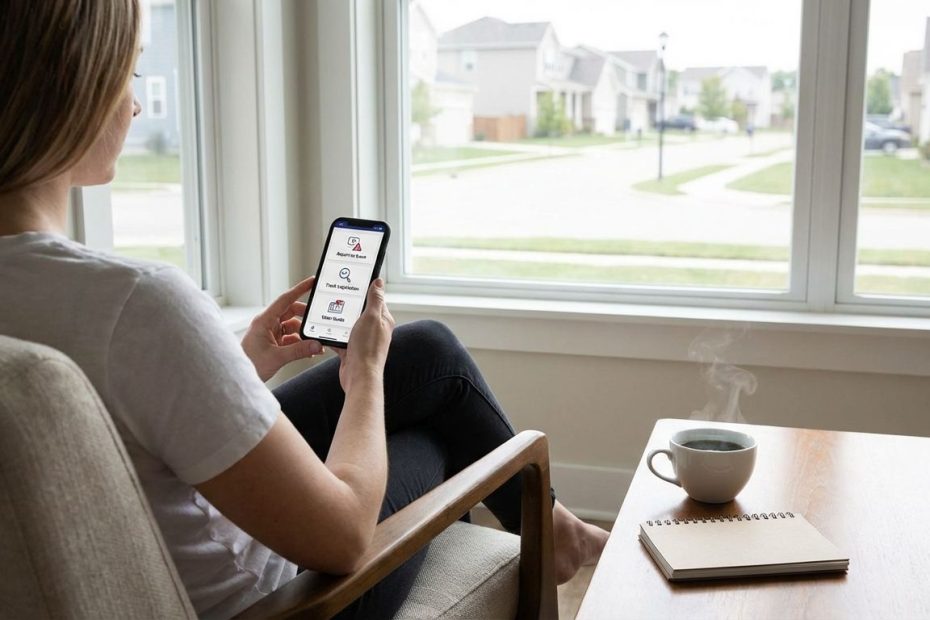
You can drive local civic engagement with six app categories that cover the full loop, report problems, organize neighbors, follow decisions, get election logistics, research the ballot, and time your outreach so it lands before votes happen. This guide breaks down the 6 best apps for those jobs, plus exactly how to use each one without wasting attention or getting pulled into noise.
Local engagement fails when your actions are uncoordinated, late, or disconnected from official channels. The sections below answer the real questions people search, then translate them into a practical, repeatable operating rhythm you can run weekly. Expect clear pick-by-pick guidance, what each app does best, what to watch out for, and how to combine them so your time produces visible outcomes.
1. SeeClickFix: The Best App To Report Potholes, Graffiti, Or Broken Streetlights To Your City
If your goal is fast, measurable improvement in your neighborhood, start with a 311-style reporting workflow. SeeClickFix is built for non-emergency issues like potholes, illegal dumping, broken streetlights, sidewalk hazards, graffiti, missed trash pickup, and other city-service problems. You submit a request, attach a photo, add location details, and track progress through statuses that matter: received, acknowledged, in progress, closed.
This matters because the work is not “making a post,” it’s creating a service ticket that a department can route, schedule, and close. When you report through a system designed for city operations, you reduce back-and-forth and avoid sending your issue into a generic inbox. Your request becomes legible to staff, and that increases the odds of resolution without you chasing it.
To get results, file reports with decision-ready detail. Use one issue per report, one clear photo, and a short description that names the hazard and the nearest landmark or address range. Keep the tone factual and operational. When the app supports it, subscribe to updates so you can follow closures and reopen if the fix is incomplete.
If your city does not support SeeClickFix, the same strategy applies to whatever 311 channel exists locally. The winning move is always the same: convert a complaint into a trackable work item, then follow it until it is closed in a way that actually solves the problem.
2. Nextdoor: The Best Neighborhood App To Organize Neighbors For Local Issues Without Constant Drama
When you need people, not just paperwork, a neighborhood network becomes the force multiplier. Nextdoor can help you recruit volunteers, publicize a local meeting, share a safety update, coordinate mutual aid, and quickly find residents affected by the same issue. The platform works best when you treat it like a bulletin board with accountability, not a general chat room.
You get better outcomes when your posts are structured around action. Lead with what’s happening, where it’s happening, and what you need from neighbors, then provide one simple next step. Ask for photos, addresses, and timestamps if the issue is ongoing, and set a clear time window for replies. That turns scattered anecdotes into a usable incident log you can take to 311, a council office, or a department supervisor.
Tone control is not optional if the goal is local engagement rather than endless comment threads. Write as if you’re briefing a city employee: calm, specific, and focused on resolution. If a thread starts drifting, redirect it back to verifiable details, or end the thread and repost with a tighter ask. Your job is to keep attention pointed at outcomes.
Use Nextdoor to recruit, then move execution off-platform when needed. A short sign-up form, a calendar invite, or a small group text thread keeps coordination clean. Nextdoor gets you reach. Your follow-through system gets you results.
3. Vote.org: The Best App For Election Reminders And Voting Info In Your State
If voting logistics are the barrier, your best tool is the one that reduces friction to near zero. Vote.org focuses on reminders and “how to vote” workflows that help you hit deadlines, confirm registration, locate polling places, and stay on schedule. For local civic engagement, that reliability is the point. Local races hinge on turnout, and turnout hinges on deadlines.
Treat election reminders as operational infrastructure, not a once-a-year task. Set reminders for registration deadlines, absentee ballot steps if applicable, and Election Day. Add a second reminder that triggers earlier than you think you need. When you help friends and neighbors set the same reminders, you create a small turnout machine that does not rely on anyone’s memory.
The strongest use case is coordination across busy households. When people miss local elections, it is rarely a values problem. It is a calendar problem. A reminder system converts “I meant to vote” into “I voted,” and that is the most direct civic action available to most residents.
Keep this clean and non-chaotic by pairing reminders with one short logistics message. Share dates, locations, and the exact action required. Avoid long debates, keep the focus on completion, and treat the process like getting people to a flight on time.
4. BallotReady: The Best App To See A Sample Ballot And Learn About Local Candidates And Ballot Measures
Local ballots are dense and unforgiving. You can care a lot and still walk in unprepared, then end up skipping down-ballot races or guessing on measures. BallotReady helps you view your ballot, research candidates and ballot measures, and make selections you can reference later. That turns voting into a planned task rather than a last-minute scramble.
This is where civic engagement becomes informed participation. When you research ahead of time, you stop relying on name recognition, yard signs, or social media noise. You can compare positions, track endorsements, and understand what a measure changes in plain terms. That preparation also makes conversations with friends and neighbors more concrete, because you can reference the same ballot items and deadlines.
Use BallotReady as a weekly sprint in the month leading up to an election. Take one category at a time, mayor, council, school board, judges, ballot measures, and complete it. Save your choices as you go, then verify them again a few days before voting. Your confidence rises, your voting time drops, and you avoid leaving races blank.
If you lead any community group, encourage members to research the same races on their own schedule. The goal is not identical choices. The goal is more residents completing the full local ballot with clear intent.
5. Open States: The Best App To Track Bills And Follow What Your State Legislature Is Doing
For state-level transparency and follow-through, Open States is a strong tool for tracking legislation and understanding what is moving. When you want to know what bills exist, who sponsors them, where they are in the process, and which committees matter, bill tracking gives you visibility that casual news coverage rarely provides.
This visibility changes how you engage. The most effective outreach happens before a bill is effectively decided, not after it passes. Tracking tools help you identify key steps, committee hearings, amendments, and votes, then match your message to the right moment. You stop reacting late and start intervening early.
Set up a small monitoring routine. Pick two or three topics you care about, then set alerts or subscriptions around those terms and bills. Keep a running note with bill numbers, sponsors, committee assignments, and upcoming dates. When you contact an office, reference the bill clearly and ask for a specific action, support, oppose, amend, or schedule a hearing.
Pair Open States with local action by translating state policy into local stakes. When you can explain how something affects schools, housing, transportation, or public safety in your zip code, your outreach becomes harder to ignore.
6. FastDemocracy: The Best Mobile Bill-Tracking App For Alerts, Hearings, And Timed Outreach
If your biggest problem is timing, FastDemocracy is built for real-time awareness. It focuses on alerts, hearing notices, and a mobile-first flow that supports following bills across Congress and the states. For civic engagement, this is valuable when you need to act at the committee stage, when a handful of calls, emails, and testimony slots can actually influence outcomes.
Effective civic engagement is rarely about sending one message. It is about sending the right message at the right time, to the right office, with the right ask. Hearing alerts and status updates help you do that without living inside 200-page agendas or scattered government sites. You watch a smaller set of items and stay ready to move when the calendar shifts.
Use FastDemocracy like an operations dashboard. Set alerts for your priority topics, then create an action checklist you can execute in 20 minutes: confirm the hearing time, draft a short message, identify your representatives, call, email, then recruit two other residents to do the same. Document what you sent and who you contacted so you can follow up with a clean paper trail.
This is also the tool that pairs well with neighborhood organizing. Nextdoor helps you find people. FastDemocracy helps you tell those people exactly when to show up, call in, submit a comment, or email a committee chair.
How To Combine These Apps Into A Weekly Civic Engagement Routine That Produces Results
A stack of apps does nothing if you use them randomly. The goal is a simple rhythm that turns awareness into action without taking over your life. A weekly routine also protects you from the two classic failure modes: doomscrolling and last-minute panic.
Run a three-part cadence. Start with neighborhood intake, collect issues and patterns through Nextdoor and your own observations, then convert true city-service items into SeeClickFix tickets. Move into decision tracking, spend a fixed block of time checking Open States or FastDemocracy for updates tied to your priorities. Close with civic logistics, confirm election reminders and use BallotReady to keep your ballot research moving steadily.
Keep the time boxed. One 30-minute block during the week and one 30-minute block on the weekend can outperform two hours of sporadic reading. Track your output, tickets filed, neighbors recruited, calls made, hearings attended, ballots researched. Output metrics keep you honest and keep your energy aimed at outcomes.
Build a small contact loop. Maintain a short list of neighbors who reliably act, and a short list of city or district contacts you can reach. When a new issue appears, you already know who can help. That network reduces friction, and friction is the enemy of local engagement.
Best Apps For Local Civic Engagement
- SeeClickFix for reporting city issues
- Nextdoor for organizing neighbors
- Vote.org for election reminders
- BallotReady for ballot research
- Open States for tracking state bills
- FastDemocracy for alerts and hearings
Turn Local Attention Into Local Wins
Local civic engagement becomes sustainable when you run it like a system: report service problems through the right channel, organize neighbors with clear asks, track decisions early enough to matter, and remove voting friction with reminders and ballot preparation. These six apps cover the full cycle from street-level problems to policy-level action without requiring you to become a full-time activist. Pick two tools to start, then add the rest once your weekly rhythm is stable. Keep your posts and messages operational, measure outputs, and stay consistent. Over a few months, you will see a visible shift in how fast issues get addressed and how many neighbors move from opinions to action.

Walter Morales is President of Commonwealth Advisors, Inc., with over 30 years of experience in financial planning and investment strategy. An educator, philanthropist, and community leader, he is dedicated to advancing financial literacy and expanding educational opportunities.